

How Techdella Helped Three Cat Agency Fix a Leaky Funnel
Three Cat Agency is a startup-focused marketing agency helping early-stage businesses grow through content, paid ads, and strategy.
We help edtech companies reach learners, parents and institutions with search content, enrollment funnels and lifecycle email. Each audience gets its own path, built within children's privacy and platform rules.
Learners want relevance, parents want safety and outcomes, and schools want evidence and fit with their systems.
Free trials and first lessons have steep drop-off.
Learners can find free videos and courses on almost any topic.
Learners, parents and institutions land on pages written for their questions, so one pitch no longer has to convince everyone.
Onboarding built around the first meaningful win, with well-timed reminders, cuts the drop-off that makes acquisition expensive.
Pages for specific skills, exams and certifications reach learners and parents who are already looking.
Institutional buyers get evidence, sample curricula and a low-risk pilot, kept apart from consumer signups.
Techdella reframed how we were thinking about our market entirely. We went from scattered tactics to a positioning and GTM system that actually made sense for where we were heading. The difference was immediate.
The services we combine for teams like yours, in the order we usually start them.
EdTech SEO works when pages match the exact thing someone wants to learn or pass. Searches name a skill, an exam, a certification or a grade-level topic, and often a format such as online, part-time or for beginners. We build course and topic pages that answer the question first, show a sample lesson, and explain format, time commitment and cost plainly. Supporting guides target study questions and link back to the course. Technical issues we check early include course catalogs that generate thin duplicate pages, gated lesson content Google cannot read, and slow video-heavy templates on mobile.
Selling to K-12 districts, universities or corporate learning teams is a committee sale tied to budget cycles. Lead generation here means offers that let an administrator evaluate safely: a sample curriculum, a pilot proposal template, evidence summaries and integration details for their LMS and sign-on systems. We build a dedicated institutional funnel with its own pages and forms, score leads by role and organization size, and nurture them with material that helps your champion build an internal case. Consumer signups never enter this pipeline, so sales sees only the leads that can buy.
For adult learners, universities and course providers, the decision turns on outcomes, time and cost. Prospective students compare programs on curriculum, format, instructors, total price and what graduates go on to do. We write program pages that answer those directly, run search and social campaigns on program-specific terms, and build an enrollment funnel with an information session or sample lesson as the first step. Any outcome claim, such as job placement or salary, has to be backed by data you can share, because the FTC has acted against education providers over misleading earnings claims.
In edtech, email is what brings learners back. We design sequences around progress: a welcome that sets up the first session, reminders tied to the learner's schedule, a nudge after a missed lesson and milestone emails that show how far they have come. For younger learners, parent-facing summaries report what the child has done, which keeps the paying adult engaged. Institutional contacts get a separate nurture with pilot updates and evidence. We measure each sequence by how many learners reach the next lesson, not by open rates. Sequences pause automatically when a learner is active, so nobody gets reminded about a lesson they just finished.
We map learners, parents and institutions to separate journeys and check forms, analytics and ad tags against COPPA…
We define what a successful first session looks like and build reminder and progress emails that bring learners…
We publish pages for the skills, exams and certifications your audience searches for, each with a sample lesson.
We launch a pilot or sample-curriculum offer for schools and employers, with its own pages, scoring and nurture.
Techdella reframed how we were thinking about our market entirely. We went from scattered tactics to a positioning and GTM system that actually made sense for where we were heading. The difference was immediate.
The clarity they brought to our strategy saved us months of trial and error — and probably a lot of money too. If you're serious about growing your startup, Techdella is the team you want in your corner from early on.
Three Cat Agency is a startup-focused marketing agency helping early-stage businesses grow through content, paid ads, and strategy.
Johan Consults Limited is an IT consulting firm focused on data protection, cybersecurity, and regulatory compliance across industries like finance, healthcare, and logistics.
BlueCart is a B2B eCommerce platform that helps restaurants and suppliers manage ordering, inventory, and payments in one place. The platform connects thousands of businesses and streamlines procurement across the hospitality industry.
Angie Diedricks Suicide Prevention Program is a mission-driven organization focused on providing free, compassionate support and suicide prevention services to adolescents aged 12–18 in South Africa.
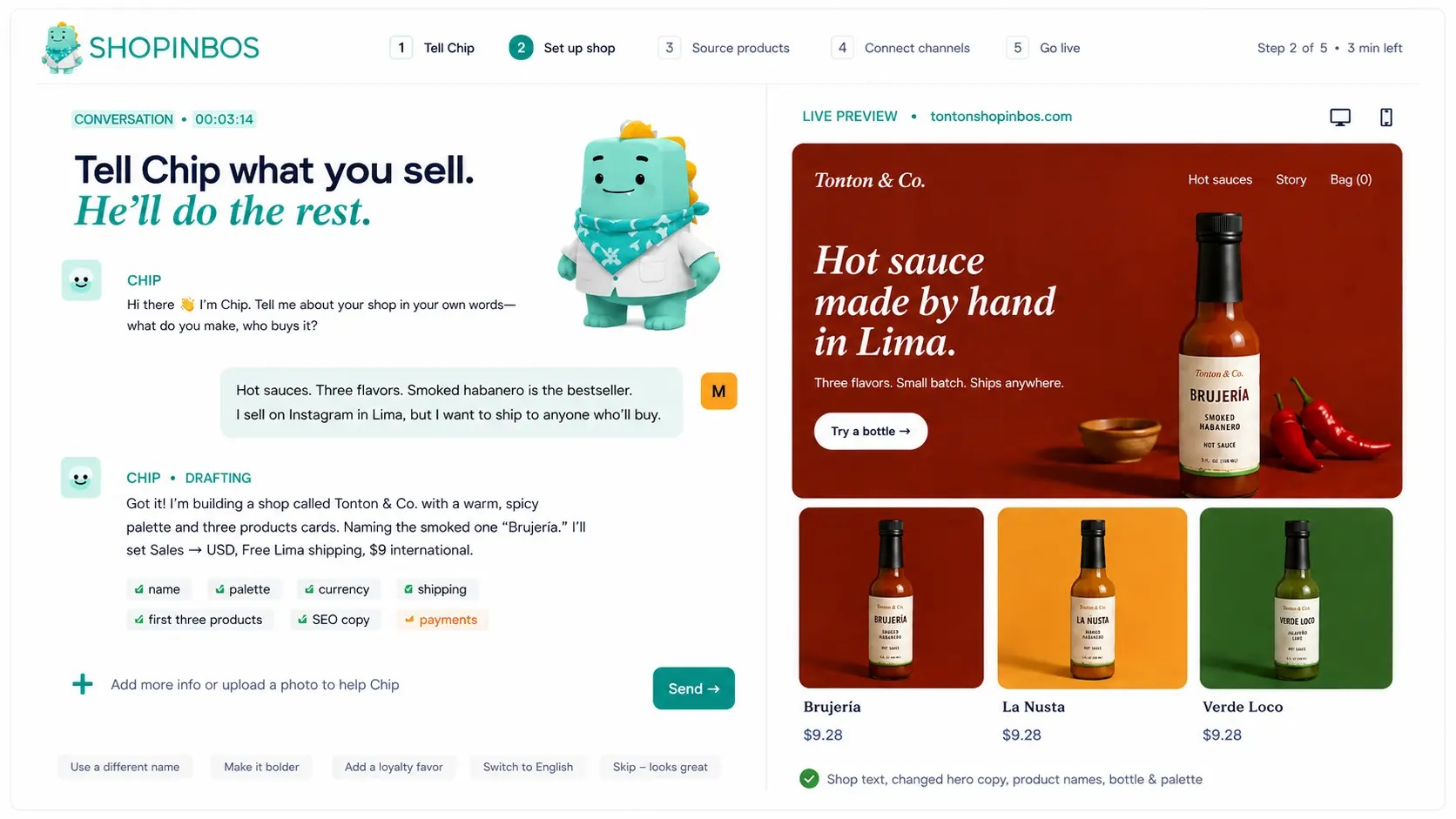
Shopinbos is an e-commerce toolkit built to help first-time sellers cut through the guesswork of launching and running an online store. With a growing base of over 2,500 active sellers and tools to discover verified suppliers and trending products, they were solving the right problem but feeling friction in converting interest into real revenue growth.
WezOps partners with Talent Acquisition and HR teams to replace fractured systems and manual work with efficient workflows and reliable data. Even with the right vision and expertise, scaling that value across clients meant tackling internal bottlenecks first.
In the US, COPPA requires verifiable parental consent before collecting personal data from children under 13, and the FTC updated the COPPA Rule in 2025. In the UK, the ICO's Age Appropriate Design Code applies to online services likely to be used by children.
Products used by US schools must respect FERPA limits on student education records. Do not use school-provided data for marketing.
Google blocks ad personalization for users under 18, and Meta limits advertisers to age and location targeting for teens. Market to parents and schools, not to children directly.
Claims about grades, job placement or salaries need evidence. The FTC has taken action against education providers over misleading earnings and job claims. In Nigeria, the Nigeria Data Protection Act 2023 requires a parent or guardian's consent for children's data.
An edtech marketing agency helps learning companies reach the people who choose and pay for education (learners, parents and institutions) and keep new learners engaged past the first lesson. We give each audience its own path through clear market segmentation, build search pages for the skills and exams people look for, use lifecycle email to cut early drop-off and run a separate institutional lead funnel for schools and employers, all within children’s privacy and platform rules. This is the order we usually work in:
We don’t have a published edtech case study yet, so we will agree enrollment and activation targets with you and report against them.
We give each its own path. Learners see outcomes and how lessons fit their schedule, parents see safety, progress and results, and schools see evidence, pilots and integration details. Shared brand, separate pages, offers and email flows, so nobody gets a message meant for someone else.
We define the first meaningful win, such as finishing lesson one, and design onboarding around it. Reminder emails at the right moments, progress summaries and parent updates where relevant bring learners back. We measure the share of signups who finish that first win each week.
For under-18s, options are limited by law and platform policy. Google does not personalize ads for minors, and Meta restricts teen targeting to age and location. For younger learners we market to parents and schools. For adult learners, normal targeting rules apply.
With data you can stand behind: completion rates, assessment results or pilot findings, explained with their limits. If you do not have outcome data yet, we start collecting it and lean on curriculum detail, instructor credentials and sample lessons until you do.
Yes, especially for specific skills, exam prep and certification searches. These people are already looking to learn. Pages that answer the question well and show a sample lesson can turn searchers into trial learners at a lower cost than paid social.
Get an audit of your search, ads and funnel, and a clear plan your team can act on.
Get a growth audit