
How Techdella Helped Three Cat Agency Fix a Leaky Funnel
Three Cat Agency is a startup-focused marketing agency helping early-stage businesses grow through content, paid ads, and strategy.
We help proptech platforms, developers and real estate businesses generate qualified buyer, renter and investor leads through local search, fair-housing-safe ads and automated follow-up. Built for high-value decisions that take months, not minutes.
Property ads attract plenty of browsers.
Buyers and investors take months to decide.
In the US, housing ads cannot be targeted by age, gender or postcode on Meta and Google.
Qualifying questions on budget, timeline, location and financing let agents call ready buyers first and leave browsers to a nurture sequence.
Neighborhood, development and listing pages put you in front of people searching for a home or investment in a specific place.
Campaigns run inside the platforms' housing ad settings, with creative and location doing the qualifying that demographics used to do.
Matching listings, market updates and development news keep you in touch through the months buyers and investors take to decide.
Techdella reframed how we were thinking about our market entirely. We went from scattered tactics to a positioning and GTM system that actually made sense for where we were heading. The difference was immediate.
The services we combine for teams like yours, in the order we usually start them.

Real estate SEO is local by nature: most searches name a place, a property type or both, such as two-bedroom apartments in Lekki or new build homes near Austin. Big portals win most broad listing searches, so independent agencies, developers and proptech platforms usually do better with neighborhood guides, development pages, buyer and renter guides and answers to local questions about schools, commutes and costs. We build those pages with facts you can verify, keep office and development listings on Google accurate, and make sure listing pages are indexable and fast on a phone. For UK listings, we also check that material information such as price, tenure and council tax band is on the page.
Real estate Facebook ads for audiences in the US, Canada and parts of Europe run in Meta's Housing special ad category. That fixes the age range at 18 to 65+, removes gender and ZIP-code targeting and sets a minimum location radius, 15 miles in the US and Canada. Google applies similar limits to housing ads in the US and Canada, restricting age, gender, parental status, marital status and ZIP-code targeting. So creative and landing pages must do the qualifying: price band, location and property type stated plainly. We pair Meta with search ads on development and area names, where intent is clear. In markets without these rules, we still avoid targeting that excludes protected groups.
Real estate lead generation fails when every enquiry looks the same. We add a few qualifying questions to each form: buying or renting, budget band, timeline, preferred areas and whether financing is in place. The answers route the lead. Ready buyers go to an agent with an instant alert, early researchers go into a nurture sequence, and investors are handed to the person who can answer questions on documentation and title. Every enquiry gets an immediate reply with a way to book a viewing or a call. For proptech platforms with two sides, such as landlords and renters, we plan which side to grow first, because demand without supply wastes ad spend.
Property decisions take months, so email does more work in real estate than in most industries. We set up listing alerts that match each contact's saved criteria, a monthly market update in plain language, and progress updates for buyers who registered interest in an off-plan development. Automation flags when someone opens several alerts or returns to a property page, so an agent can call while interest is high. Every list is built on consent with an easy opt-out, and investor emails make no promise about yields or returns that you cannot evidence. Fewer, better-timed emails keep unsubscribes low across a long cycle.
We add qualifying questions to every enquiry form and route leads by readiness, so agents call the right…
We build pages for the neighborhoods and projects you sell, with verified local facts and accurate map listings.
We rebuild campaigns in the platforms' housing ad settings and test creative and locations instead of demographics.
Listing alerts, market updates and re-engagement alerts keep contact steady until buyers and investors are ready to act.
Techdella reframed how we were thinking about our market entirely. We went from scattered tactics to a positioning and GTM system that actually made sense for where we were heading. The difference was immediate.
The clarity they brought to our strategy saved us months of trial and error — and probably a lot of money too. If you're serious about growing your startup, Techdella is the team you want in your corner from early on.
Three Cat Agency is a startup-focused marketing agency helping early-stage businesses grow through content, paid ads, and strategy.
Johan Consults Limited is an IT consulting firm focused on data protection, cybersecurity, and regulatory compliance across industries like finance, healthcare, and logistics.
BlueCart is a B2B eCommerce platform that helps restaurants and suppliers manage ordering, inventory, and payments in one place. The platform connects thousands of businesses and streamlines procurement across the hospitality industry.
Angie Diedricks Suicide Prevention Program is a mission-driven organization focused on providing free, compassionate support and suicide prevention services to adolescents aged 12–18 in South Africa.
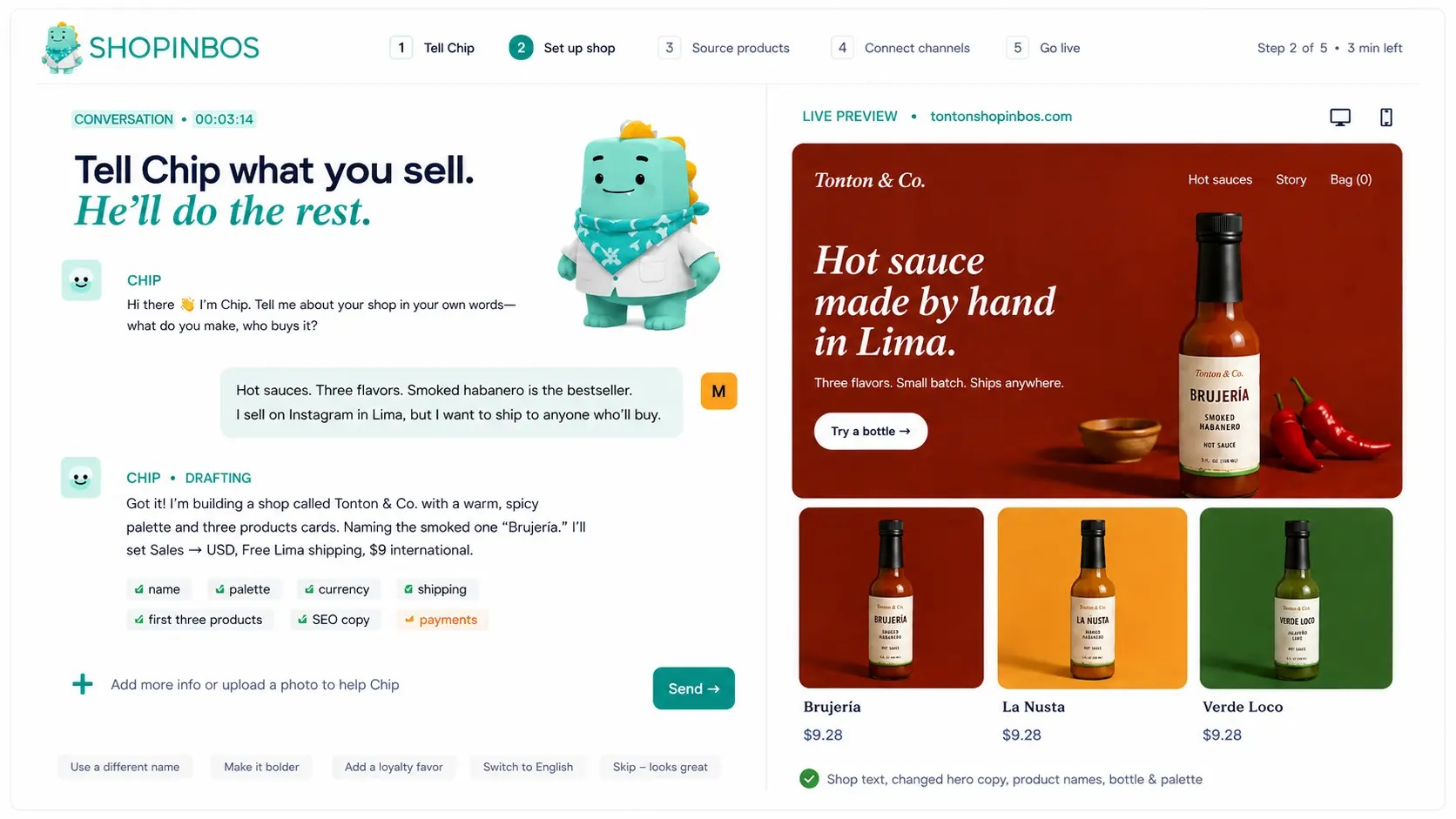
Shopinbos is an e-commerce toolkit built to help first-time sellers cut through the guesswork of launching and running an online store. With a growing base of over 2,500 active sellers and tools to discover verified suppliers and trending products, they were solving the right problem but feeling friction in converting interest into real revenue growth.
WezOps partners with Talent Acquisition and HR teams to replace fractured systems and manual work with efficient workflows and reliable data. Even with the right vision and expertise, scaling that value across clients meant tackling internal bottlenecks first.
The Fair Housing Act bans discriminatory housing ads, including statements that indicate a preference based on a protected characteristic. Meta runs housing ads in a special ad category, which applies to the US, Canada and parts of Europe, with a fixed 18 to 65+ age range, no gender or postcode targeting and a minimum location radius. Google restricts age, gender, parental status, marital status and postcode targeting for housing ads in the US and Canada.
The Consumer Protection from Unfair Trading Regulations require material information, and National Trading Standards guidance sets out what listings must show, such as price, tenure and council tax band.
In Lagos, agents and developers fall under the Lagos State Real Estate Regulatory Authority (LASRERA). Fractional or crowdfunded property investment offers may be treated as investment products under SEC Nigeria rules, and the SEC warns that operating an unregistered crowdfunding platform is illegal.
Projected yields or returns on property investments must be fair and evidenced. Platforms that pool investor money may need securities registration or exemptions in the US and UK.
A real estate marketing agency helps developers, agencies and proptech platforms attract buyer, renter and investor leads who are ready to act, then follow up across a decision that can take months. We start with local SEO and qualifying enquiry forms, add automated follow-up and email, and run paid campaigns inside each platform’s housing ad rules.
The rules we plan around: the US Fair Housing Act ban on discriminatory housing ads, Meta’s special ad category rules, Google’s policy for housing, employment and credit ads, National Trading Standards material information guidance for UK listings, and the SEC Nigeria warning on unregistered crowdfunding platforms. Our notes on local SEO and lead scoring explain the basics behind this plan.
We don’t have a published real estate or proptech case study yet, so we will agree lead quality measures with you before launch and report on them.
Ask qualifying questions early, about budget, timeline, location and financing, and route leads based on the answers. Pair that with listing and area pages for people already searching. Fewer, better leads save agent time and improve conversion from enquiry to viewing.
Both. Proptech platforms often need to grow supply, such as listings or landlords, and demand, such as buyers or renters, in the right order. Developers and agencies need lead quality, fast follow-up and local search. We plan around which side is the constraint right now.
Not in the US. Housing ads on Meta and Google cannot be targeted by age, gender or postcode, and the Fair Housing Act bans discriminatory ads. We use location, interest in the property itself, search intent and strong creative instead. Rules differ by country, so we check each market.
Often six months or more for buyers and investors. A light, useful cadence works best: new listings that match their criteria, market updates and progress on developments they asked about. Automation flags when someone re-engages so an agent can call at the right time.
Get an audit of your search, ads and funnel, and a clear plan your team can act on.
Get a growth audit