

How Techdella Helped Three Cat Agency Fix a Leaky Funnel
Three Cat Agency is a startup-focused marketing agency helping early-stage businesses grow through content, paid ads, and strategy.
We help healthtech companies, clinics and digital health products reach patients and providers through search, AI answers and privacy-safe campaigns. Every claim, tracking choice and ad is planned around health advertising and privacy rules from day one.
Standard analytics and ad pixels on booking or symptom pages can send health information to third parties.
Google and Meta limit targeting on health conditions and reject ads that imply a reader has one.
Google treats health topics as Your Money or Your Life.
Every tag on booking, login and symptom pages is mapped, and anything that could send health details to an ad platform is removed or…
Each article carries a named author, a clinical reviewer, sources and a review date, so patients and search engines can see who stands behind…
Campaigns are built on search intent and context instead of health-condition targeting, so they run within Google and Meta health policies rather than stalling…
Clear next steps, short forms and consent-based follow-up turn visits from patients, providers or employers into appointments and sales conversations.
Techdella reframed how we were thinking about our market entirely. We went from scattered tactics to a positioning and GTM system that actually made sense for where we were heading. The difference was immediate.
The services we combine for teams like yours, in the order we usually start them.
Healthcare SEO means ranking for the questions patients and buyers ask before they choose: what a treatment involves, whether a clinic takes their insurance, how a healthtech product fits a provider's workflow. Google treats these topics as Your Money or Your Life, so its quality raters look hard at who wrote a page and whether the advice is accurate. We build each page around one question, answer it in the first paragraph, and show the author's credentials, the clinical reviewer and the primary sources. For clinics we pair this with service pages tied to each location. For healthtech, we write for the clinical, operations and procurement roles that each sign off on a purchase.
Healthcare PPC works when it follows the platforms' health rules from the first draft. Google's Healthcare and medicines policy requires certification for prescription drug services, online pharmacies and addiction treatment, and bans some products outright. Meta's personal attributes policy rejects copy that asserts or implies the viewer has a condition, such as 'Do you have diabetes?', while 'New diabetes treatment available' is allowed. We plan campaigns around search terms that signal intent to book or buy, contextual placements and broad audiences with clear creative. Conversion tracking runs through consented or server-side setups that keep health details out of what ad platforms receive. Every ad is checked against policy before launch, not after a disapproval.
HIPAA-compliant marketing starts with knowing what your tracking sends. The HHS Office for Civil Rights bulletin on online tracking technologies says tools on pages behind a login, such as patient portals, generally have access to protected health information, which needs patient authorization or a business associate agreement with the vendor. A federal court vacated part of that bulletin in June 2024, covering some public pages, and the rest still stands. Consumer health apps outside HIPAA answer to the FTC, whose Health Breach Notification Rule was updated in 2024 so that unauthorized sharing of health data counts as a breach. We map every tag, restrict it where needed and document the setup. Your privacy or legal lead makes the final call.
When people ask ChatGPT, Perplexity or Google's AI Overviews about a treatment or a provider, the answer cites pages it can quote with confidence. For health topics that tends to mean a plain answer up front, named clinical credentials, a review date and links to guidelines. We restructure your key pages so the answer sits in the first two or three sentences, mark up authors and your organization with schema, and keep facts about locations, services and accepted insurance consistent across your site and listings. We then check which questions mention you and which cite competitors, and close the gaps. None of this replaces clinical accuracy: an AI answer that repeats a wrong claim from your site is worse than no mention.
We list every pixel, analytics script, chat widget and form on patient-facing pages and flag anything that could…
We agree who writes, who reviews and how sources and review dates are recorded, so every page can…
We publish pages for the questions patients and buyers ask closest to a decision, and fix profiles and…
Paid and email programs launch only after an ad-policy and consent check, and we report on booked appointments…
Techdella reframed how we were thinking about our market entirely. We went from scattered tactics to a positioning and GTM system that actually made sense for where we were heading. The difference was immediate.
The clarity they brought to our strategy saved us months of trial and error — and probably a lot of money too. If you're serious about growing your startup, Techdella is the team you want in your corner from early on.
Three Cat Agency is a startup-focused marketing agency helping early-stage businesses grow through content, paid ads, and strategy.
Johan Consults Limited is an IT consulting firm focused on data protection, cybersecurity, and regulatory compliance across industries like finance, healthcare, and logistics.
BlueCart is a B2B eCommerce platform that helps restaurants and suppliers manage ordering, inventory, and payments in one place. The platform connects thousands of businesses and streamlines procurement across the hospitality industry.
Angie Diedricks Suicide Prevention Program is a mission-driven organization focused on providing free, compassionate support and suicide prevention services to adolescents aged 12–18 in South Africa.
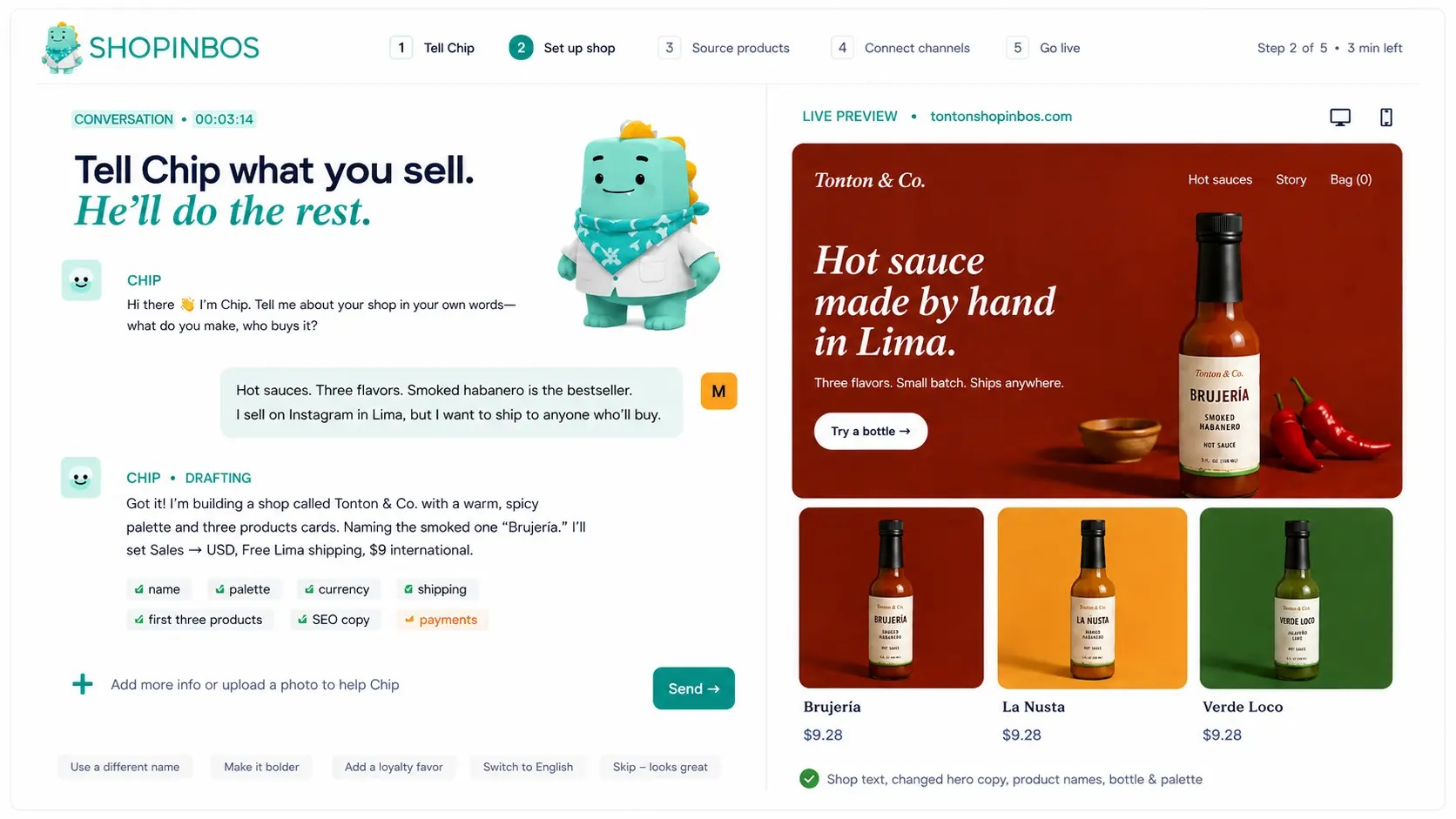
Shopinbos is an e-commerce toolkit built to help first-time sellers cut through the guesswork of launching and running an online store. With a growing base of over 2,500 active sellers and tools to discover verified suppliers and trending products, they were solving the right problem but feeling friction in converting interest into real revenue growth.
WezOps partners with Talent Acquisition and HR teams to replace fractured systems and manual work with efficient workflows and reliable data. Even with the right vision and expertise, scaling that value across clients meant tackling internal bottlenecks first.
Covered entities and their business associates cannot share protected health information with ad platforms without authorization. The HHS OCR bulletin on online tracking technologies explains when pixels and analytics on patient-facing pages create risk; in June 2024 a federal court vacated the part covering some unauthenticated public pages, and the rest, including pages behind a login, still applies. Sign BAAs with vendors that touch PHI.
The FTC Health Breach Notification Rule, updated in 2024, covers many consumer health apps and treats unauthorized disclosure of health data as a breach. The FTC has acted against companies that shared health data with advertisers. Health claims also need competent and reliable scientific evidence.
The Healthcare and medicines policy restricts many health products, prescription drug services need certification, and personalized advertising rules block targeting based on health conditions.
Meta's personal attributes rules ban ads that assert or imply a person's health condition. In the UK, the CAP Code and MHRA rules govern health and medicine claims; in Nigeria, NAFDAC approval applies to regulated products.
A healthcare marketing agency helps clinics, healthtech companies and digital health products reach patients and buyers without breaking privacy or advertising rules. We start with the tracking and consent on your site, then build clinically reviewed search content, local SEO for each location and campaigns that never target a health condition. Every step is agreed with your privacy lead, because a tracking mistake costs more than any campaign earns.
The rules we plan around: the HHS bulletin on online tracking technologies (partly vacated by a federal court in June 2024), the FTC Health Breach Notification Rule for apps outside HIPAA, Google’s Healthcare and medicines policy and Meta’s personal attributes policy. For measurement that keeps sensitive data out of ad platforms, see our notes on server-side tracking and Consent Mode v2.
We don’t have a published healthcare case study yet, so we will be clear about what we expect and measure it with you from week one.
Sometimes, but not everywhere. Pages where people book, log in, or describe symptoms carry the most risk if tags send that data to ad platforms. We map every tag, remove or restrict tracking on sensitive pages, and use consented or server-side measurement where it is allowed. Your privacy lead should sign off.
Each article has a named author with relevant expertise, a clinical reviewer, a last-reviewed date and links to primary sources such as guidelines or peer-reviewed studies. Content answers the question in the first paragraph and avoids claims you cannot support. This is what Google expects from health pages.
Both, with different plans. Clinics and practices usually need local SEO, a clear booking path and reputation work. Healthtech products selling to providers or employers need search content, lead capture and longer nurture, and consumer health apps need careful privacy-safe acquisition.
Yes, within platform rules. That means no targeting by health condition, no copy that implies the viewer has one, and certification where Google requires it. We lean on search intent, contextual placements and broad audiences with strong creative instead of sensitive retargeting.
Get an audit of your search, ads and funnel, and a clear plan your team can act on.
Get a growth audit