
How Techdella Helped Three Cat Agency Fix a Leaky Funnel
Three Cat Agency is a startup-focused marketing agency helping early-stage businesses grow through content, paid ads, and strategy.
We help cybersecurity and compliance companies reach skeptical security buyers with evidence, not fear. Technical search content, AI search visibility and account-focused nurture build the credibility long security deals depend on.
Security leaders have heard “military-grade” and “stops 100% of threats” too often.
Security teams research on peer forums, analyst notes and AI assistants before contacting vendors.
Buyers ask about SOC 2, ISO 27001 and data residency long before pricing.
Core pages describe what the product detects or prevents, how it deploys and where it stops, so skeptical readers keep reading.
A current trust center answers certification, data residency and disclosure questions before the questionnaire arrives.
Framework, integration and problem pages put you in front of practitioners and give AI assistants accurate facts to cite.
Account-level signals show when several people from a target company are researching, so outreach lands when it is relevant.
Techdella reframed how we were thinking about our market entirely. We went from scattered tactics to a positioning and GTM system that actually made sense for where we were heading. The difference was immediate.
The services we combine for teams like yours, in the order we usually start them.

Cybersecurity SEO is won on specific searches, not on the word “cybersecurity.” Practitioners search for a framework control, a compliance requirement, an attack technique, an integration or a comparison between two tools. We map those queries against what your product does, then publish pages that explain the problem precisely and show where your product fits and where it does not. Technical review by your engineers is part of the process, because one wrong detail costs credibility with this audience. Docs and knowledge-base content often deserve search traffic too, so we make sure they are crawlable and linked from marketing pages.
Security buyers ignore fear-based content and reward usefulness. The content that works is practical: control mapping guides, configuration checklists, honest explainers on what a category of tool can and cannot do, and research your team can publish responsibly. We interview your engineers and researchers, draft in plain language and send every piece back for technical review. Each asset is built for a stage of a long evaluation, from a practitioner first learning about a problem to an architect checking deployment details, so the program keeps earning attention for months, not just at launch.
Security deals involve practitioners, architects, the CISO and procurement, often over several quarters. Lead generation that respects that does not chase form fills. We create one or two genuinely useful offers, such as a readiness checklist or a framework mapping template, and gate them only when the value justifies an email. Leads are scored at the account level, combining website research, downloads and engagement from several contacts. Nurture shares technical material on a calm cadence. Sales gets an alert when an account shows buying-group activity, rather than a stream of single, unqualified contacts.
Security practitioners now ask AI assistants to compare tools, explain frameworks and suggest vendors for a use case. Assistants cite sources that state facts plainly: what the product covers, which frameworks it maps to, how it deploys and which certifications are current. We audit how assistants describe your category and your product today, correct outdated or inconsistent facts across your site, review sites and directories, and publish clear comparison and framework pages. A dated, accurate trust center helps too, because assistants and buyers both look for current certification details. We recheck those answers each quarter.
Paid works for security vendors when it is narrow. Search campaigns target specific problems, compliance deadlines and competitor comparisons rather than broad category terms. LinkedIn targets named account lists and security job functions, and works best promoting a useful asset or an engineer-led webinar rather than a demo request. Ad copy follows Google's policies on hacking services and spyware, so offensive security and penetration testing offers are worded with care. We judge campaigns on account engagement and qualified opportunities, because in a long sales cycle raw lead volume is a misleading target.
We check every certification and security claim against current reports and publish one dated trust center.
We rewrite product pages around detections, deployment and limits, drafted from engineer interviews and technically reviewed.
We publish pages that map your product to the controls, problems and integrations buyers search for.
Account-level scoring, calm nurture and narrow LinkedIn and search campaigns reach buying groups while they are active.
Techdella reframed how we were thinking about our market entirely. We went from scattered tactics to a positioning and GTM system that actually made sense for where we were heading. The difference was immediate.
The clarity they brought to our strategy saved us months of trial and error — and probably a lot of money too. If you're serious about growing your startup, Techdella is the team you want in your corner from early on.
Three Cat Agency is a startup-focused marketing agency helping early-stage businesses grow through content, paid ads, and strategy.
Johan Consults Limited is an IT consulting firm focused on data protection, cybersecurity, and regulatory compliance across industries like finance, healthcare, and logistics.
BlueCart is a B2B eCommerce platform that helps restaurants and suppliers manage ordering, inventory, and payments in one place. The platform connects thousands of businesses and streamlines procurement across the hospitality industry.
Angie Diedricks Suicide Prevention Program is a mission-driven organization focused on providing free, compassionate support and suicide prevention services to adolescents aged 12–18 in South Africa.
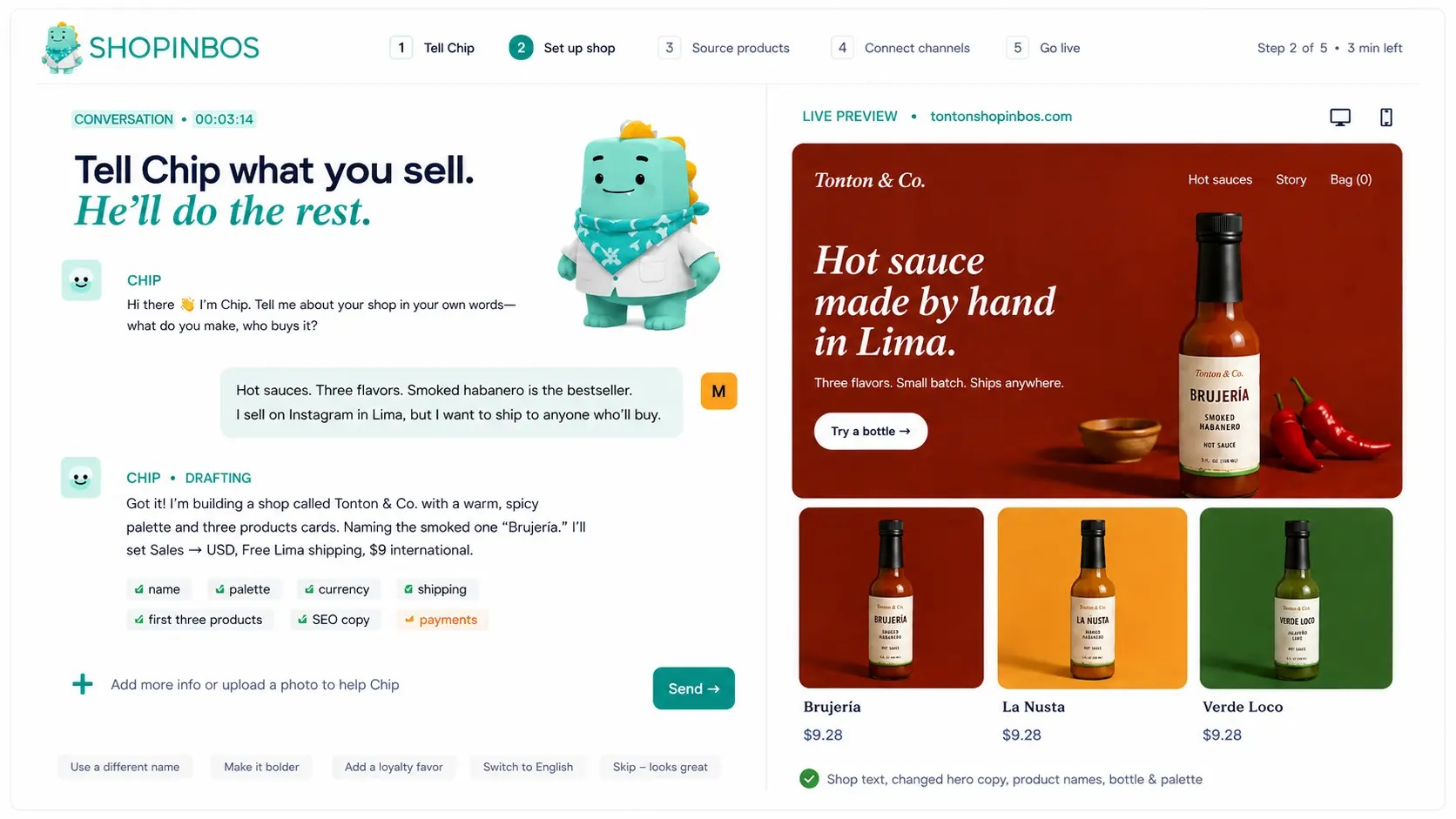
Shopinbos is an e-commerce toolkit built to help first-time sellers cut through the guesswork of launching and running an online store. With a growing base of over 2,500 active sellers and tools to discover verified suppliers and trending products, they were solving the right problem but feeling friction in converting interest into real revenue growth.
WezOps partners with Talent Acquisition and HR teams to replace fractured systems and manual work with efficient workflows and reliable data. Even with the right vision and expertise, scaling that value across clients meant tackling internal bottlenecks first.
Only show SOC 2, ISO 27001, FedRAMP, Cyber Essentials or similar marks you currently hold. Saying “FedRAMP authorized” while “in process,” or using the AICPA SOC logo outside its terms, is misleading. The FTC has acted against companies for deceptive security claims.
Google Ads prohibits ads for hacking services and spyware under its dishonest behavior and enabling dishonest behavior rules, so offensive security and pen-testing ads need careful wording.
Follow coordinated vulnerability disclosure. Do not publish exploit details for unpatched issues in marketing content, and keep customer incident details anonymized with written approval.
Outbound to security teams in the EU and UK falls under GDPR and PECR. Keep data minimal and opt-outs easy, because security buyers notice.
A cybersecurity marketing agency helps security and compliance vendors reach skeptical buyers with evidence they can verify, then stay visible through long, committee-driven evaluations. We start with trust (current certifications and honest product claims), build technical SEO content and AI search visibility with your engineers, and use account-based marketing and lead generation so sales hears when a buying group is active. Our usual sequence:
We don’t have a published case study from a cybersecurity product company yet. Our closest published work is with Johan Consults, an IT consultancy focused on data protection and compliance.
With evidence and specifics. Security buyers respond to clear explanations of what your product detects or prevents, how it deploys, what it does not do and how it maps to frameworks they use. We work from your engineers' knowledge and avoid fear-based messaging, which experienced buyers ignore.
We write it with your team, not instead of them. We interview your engineers or researchers, draft in plain language and send every piece back for technical review. Nothing about detections, benchmarks or certifications goes out without your sign-off. That review step protects your credibility with technical readers.
Yes, if it targets problem and framework searches rather than broad terms like “cybersecurity.” Pages that explain a control, a compliance requirement or an integration attract practitioners who influence the purchase, and they keep working through long evaluations. We start with the frameworks and integrations your best customers mention in sales calls.
We build content for each stage, from problem education to technical evaluation to procurement, and set up account-level tracking so sales sees when a target company is researching. Nurture emails share useful material, not constant meeting requests. The aim is to stay useful and visible for months without wearing out goodwill.
Current certifications or attestations with dates, how to request reports, data residency, subprocessors, your vulnerability disclosure policy and a security contact. A clear trust page shortens questionnaires and answers buyer questions before sales has to. Keep it dated and current, because an outdated page raises more doubts than no page at all.
Get an audit of your search, ads and funnel, and a clear plan your team can act on.
Get a growth audit