

Skip to content
TechDellahome
Ecommerce

Ecommerce Marketing Agency

We help ecommerce brands and commerce platforms grow revenue from search, paid social and email, not just traffic. That covers DTC stores, marketplaces and B2B ordering platforms that need buyers or sellers to take the next step.

At a glance

Ecommerce marketing at a glance

Challenge

Marketplaces own the product searches

Amazon, Jumia and large retailers rank for most generic product terms.

Challenge

Paid social carries the whole business

When Meta or TikTok is the only channel, every rise in CPMs or creative fatigue hits revenue the same week.

Challenge

One-time buyers who never come back

Without post-purchase and replenishment flows, each customer has to be bought again.

What changes

Revenue less tied to one ad platform

Search, email and paid social share the load, so a rise in CPMs or a tired creative does not hit sales the same week.

What changes

Customers who buy a second time

Post-purchase, replenishment and win-back flows bring buyers back without paying to acquire them again.

What changes

Product pages that answer checkout questions

Price, delivery, returns and stock are clear on the page, so paid traffic turns into orders instead of abandoned carts.

What changes

Category and guide pages that win searches

You rank for niche categories and buying guides that marketplaces leave open, which lowers your reliance on paid over time.

Techdella reframed how we were thinking about our market entirely. We went from scattered tactics to a positioning and GTM system that actually made sense for where we were heading. The difference was immediate.

Levi BarbosaCEO, WezOps
Services

One system for Ecommerce growth

The services we combine for teams like yours, in the order we usually start them.

Channels

Ecommerce marketing, channel by channel

Ecommerce SEO

Ecommerce SEO is mostly category pages, product pages and buying guides, in that order. Category pages target searches with clear purchase intent, such as a product type plus a material, size or use. Product pages need unique descriptions, product structured data for price and availability, and reviews. Buying guides catch earlier research and link into categories. The technical issues are specific to stores: faceted navigation creating thousands of duplicate URLs, out-of-stock pages removed without a redirect, and slow image-heavy templates on mobile. We fix those first, then build content where a smaller store can realistically beat a marketplace.

Google Shopping and ecommerce PPC

Shopping and Performance Max campaigns run on your product feed, so the feed is where paid search for a store starts. We clean titles and attributes so products match how people search, fix Merchant Center disapprovals, and segment products by margin and sell-through so budget goes to items that make money. Search campaigns then cover brand and high-intent category terms. We judge campaigns on contribution margin and new customer revenue, not platform ROAS alone, because a campaign that mostly resells to existing customers can look profitable while growth stalls. Feed and campaign reviews then run monthly as prices and stock change.

Paid social for ecommerce

Meta and TikTok are where many stores find new buyers, and on both platforms the creative now does much of the targeting. We run a structured testing plan: a small number of new hooks, formats and offers each cycle, judged against a fixed control, with winners moved into scaling campaigns. Creator and customer content often beats polished studio work for first-time buyers, and we test that rather than assume it. We connect the Meta Conversions API and server-side events so the platforms optimize on real purchases, and we watch frequency and creative fatigue weekly so results do not quietly decay.

Ecommerce email marketing

Email and SMS are where a store turns paid traffic into owned revenue. The core flows are welcome, browse abandonment, cart abandonment, post-purchase and win-back, plus replenishment for products that run out on a schedule. We build those before regular campaigns, because they run every day without extra work. Campaigns then follow a calendar of launches, restocks and seasonal moments. We keep lists healthy with clear consent capture, segments based on purchase history and suppression of people who have stopped engaging, which protects deliverability under the Gmail and Yahoo bulk sender requirements.

Shopify marketing

Shopify is a common platform for growing stores, and it shapes the marketing. Theme speed, app bloat and duplicate collection URLs affect SEO. Native integrations with Meta, Google and TikTok make feeds easy to connect and easy to misconfigure. Checkout customization and post-purchase upsells depend on your plan. We audit apps, tracking and feeds early, remove what slows the store, and connect email, ads and analytics so revenue is attributed the same way in every report. The same approach works on WooCommerce and other platforms, with different technical fixes, and the same rule: one source of truth for revenue.

How we work

Four steps, built for Ecommerce

  • Path-to-purchase audit

    We check product pages, mobile checkout, tracking and the email flows that should catch people who leave.

  • Feed and core flows first

    We clean the product feed and launch welcome, cart, browse and post-purchase flows before raising ad spend.

  • Creative testing and Shopping at scale

    Structured creative tests on Meta and TikTok and margin-based Shopping campaigns grow new customer revenue.

  • Category SEO for long-term margin

    We build category pages and buying guides for searches marketplaces leave open, lowering dependence on paid.

Clients

What our clients say

All case studies
  • Techdella reframed how we were thinking about our market entirely. We went from scattered tactics to a positioning and GTM system that actually made sense for where we were heading. The difference was immediate.

    Levi BarbosaCEO, WezOps
  • The clarity they brought to our strategy saved us months of trial and error — and probably a lot of money too. If you're serious about growing your startup, Techdella is the team you want in your corner from early on.

    Akin OyegokeCEO, Johan Consults
  • Case study

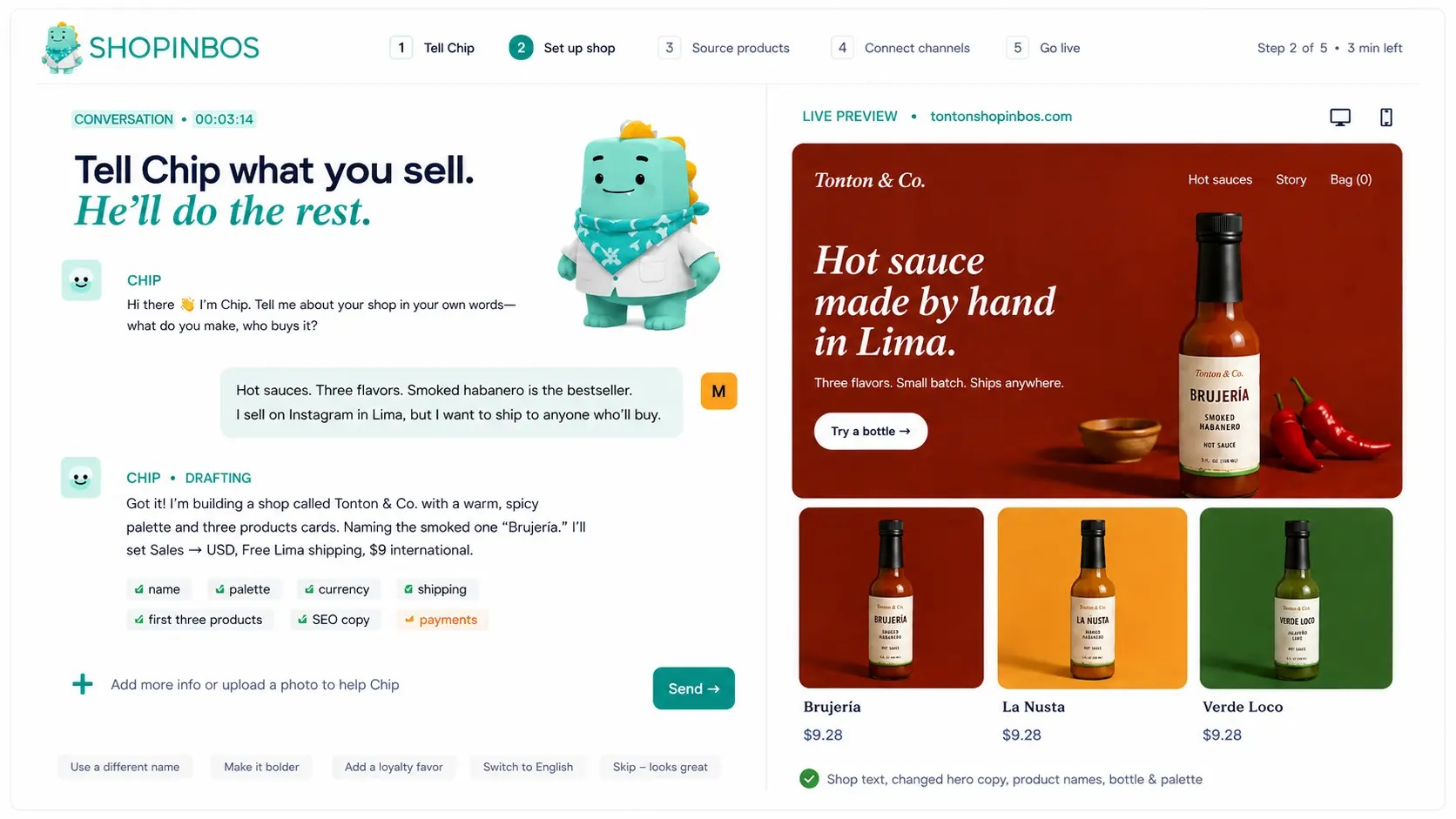
    How Shopinbos Optimized Seller Onboarding with Techdella

    Shopinbos is an e-commerce toolkit built to help first-time sellers cut through the guesswork of launching and running an online store. With a growing base of over 2,500 active sellers and tools to discover verified suppliers and trending products, they were solving the right problem but feeling friction in converting interest into real revenue growth.

    Ecommerce

  • Case study

    How Techdella Helped BlueCart Simplify Restaurant Procurement

    BlueCart is a B2B eCommerce platform that helps restaurants and suppliers manage ordering, inventory, and payments in one place. The platform connects thousands of businesses and streamlines procurement across the hospitality industry.

    Ecommerce

  • Case study

    How WezOps Improved HR Workflows with Techdella’s Guidance

    WezOps partners with Talent Acquisition and HR teams to replace fractured systems and manual work with efficient workflows and reliable data. Even with the right vision and expertise, scaling that value across clients meant tackling internal bottlenecks first.

    Saas

The rules Ecommerce marketing works within

Google Merchant Center

Shopping ads and free listings must follow Merchant Center policies, including the misrepresentation policy. Missing return policies, unclear shipping costs or unrealistic discounts can suspend the whole account.

Reviews and pricing

The FTC rule on consumer reviews and testimonials (2024) bans fake reviews and review suppression. In the EU, the Price Indication Directive as amended by the Omnibus Directive requires “was” prices to reference the lowest price in the prior 30 days.

Email and SMS

Consumer email in the UK and EU needs consent or the soft opt-in for existing customers under PECR and the ePrivacy rules. US text marketing needs prior express written consent under the TCPA.

Claims

“Made in USA” labels must meet the FTC's Made in USA Labeling Rule, and environmental claims such as “eco-friendly” should follow the FTC Green Guides.

More about Ecommerce marketing with TechDella

An ecommerce marketing agency helps online stores and commerce platforms grow revenue, not just visits, by connecting paid acquisition, email retention and search. We judge every channel against revenue and customer acquisition cost. We start with the path from first view to checkout: whether the product page answers price, delivery and returns, and whether email flows catch people who leave. Then we scale paid social and Shopping with structured creative tests, and add SEO for the category and buying-guide searches marketplaces leave open.

Two published case studies show this in practice. With Shopinbos, an ecommerce toolkit for first-time sellers, we started from one question: what should a new seller do in their first five minutes? We clarified landing messages around a concrete seller problem, sequenced the steps from discovering products to choosing suppliers to selling, and reviewed calls to action to reduce hesitation. With BlueCart, a B2B ordering platform for restaurants and suppliers, we repositioned the product as a single place to order, track inventory and manage spend, and aligned messaging around outcomes like fewer ordering errors and time saved.

Ecommerce marketing questions

Do you work with DTC brands, marketplaces or B2B commerce platforms?

All three, but the plan differs. DTC stores need customer acquisition, creative testing and retention flows. Marketplaces and seller tools need to grow supply and demand in the right order. B2B ordering platforms need search content and nurture that reach buyers with a longer decision process. We confirm the model first.

What should a small store fix before spending more on ads?

Check three things: the product page answers price, shipping and returns without scrolling, checkout works on mobile, and abandoned cart and welcome emails are live. If those are missing, extra ad spend mostly buys abandoned carts. Fixing them first makes every later campaign cheaper.

Can ecommerce SEO compete with Amazon?

Not on generic product terms, usually. It can win on category pages for specific niches, comparison and buying-guide queries, and branded searches. Good product schema also helps listings show price and availability in Google. We pick the queries where a smaller store has a realistic chance.

Which metrics do you report on?

Revenue and contribution margin by channel, return on ad spend, customer acquisition cost, repeat purchase rate and email revenue share. Traffic and impressions are context, not goals. We agree on targets at the start and report in the same format every month.

Do you manage Google Shopping feeds?

Yes. We clean product titles and attributes, fix Merchant Center disapprovals and structure campaigns so best sellers and high-margin products get budget. A tidy feed often improves Shopping results before any change to bids. We then review the feed monthly as products, prices and stock change.

Find out what to fix first

Get an audit of your search, ads and funnel, and a clear plan your team can act on.

Get a growth audit