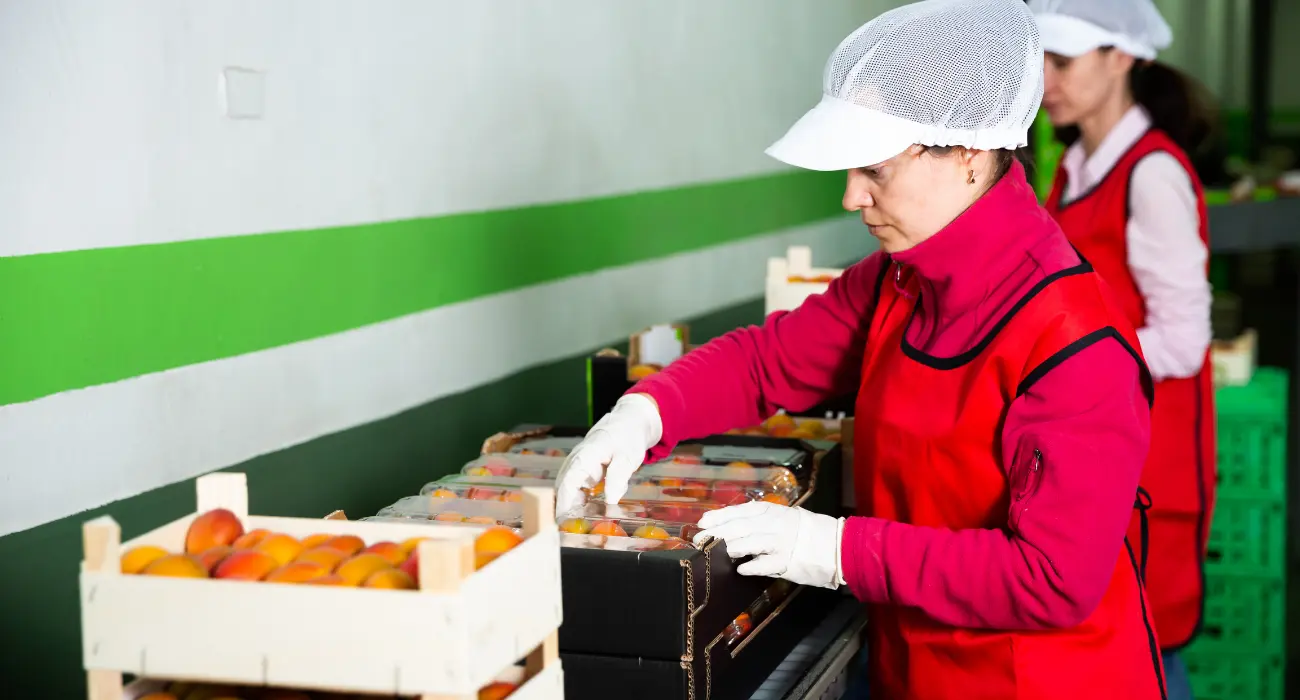
A food processing business turns raw ingredients into packaged products people can buy and store: spice blends, plantain chips, garri, pepper sauce, granola, flours, jams, dried fish. You can start one from home, but not without the right registration. The regulator you deal with depends on your country, and it’s the step most home producers skip and later regret.
To start, choose one shelf-stable product, work out the cost of a single pack, register with your food regulator, package and label it properly, and sell locally first. This guide covers each step for Nigeria, the US and the UK.
Key takeaways
- Pick one product, not a range. You can register up to five products under NAFDAC's micro-scale route, but launch with one.
- Registration is not optional: NAFDAC in Nigeria, your local council in the UK, state cottage food or health rules in the US.
- Cost every pack before you set a price. Packaging and labeling often cost more than first-time producers expect.
- Repeat buyers, not one-off sales, tell you when to scale.
What counts as a food processing business?
Anything where you change a raw food into a product that is packaged for sale counts: drying, milling, roasting, frying, fermenting, bottling or blending. A home food processing business usually starts with low-risk, shelf-stable products, because they’re easier to store, ship and register.
Good first products share three traits: simple ingredients, a long shelf life, and a buyer who already buys something similar. Examples include:
- Spice and seasoning blends
- Plantain, cassava or potato chips
- Garri, flours and cereal mixes
- Roasted nuts and granola
- Bottled pepper sauces and jams (more rules, because of acidity and sealing)
Products that need refrigeration, such as fresh juices, meat products or dairy, carry higher food-safety risk and stricter rules. Leave them until you have a proper facility.
How most small food businesses fund themselves
If you’re worried that you can’t get a loan, you’re in the majority. In Nigeria’s last national MSME survey, personal savings was by far the most common source of startup capital.
That’s a reason to start small and let sales fund growth. It’s also a reason to keep clean records from day one: lenders and grant programs ask for them.
Food business registration in Nigeria, the US and the UK
- ₦36,737.50 NAFDAC registration fee listed for micro-scale food products NAFDAC MSME page, 2024
- 90 working days NAFDAC's stated timeline for food product registration NAFDAC MSME page, 2024
- 28 days how far ahead UK food businesses should register with their council GOV.UK, 2026
Nigeria. NAFDAC regulates packaged food. Its micro, small and medium enterprise route lets micro-scale producers register up to five products. CAC registration is required first. Expect to provide standard operating procedures (production, hygiene, cleaning, recall), food handler medical certificates, a raw-materials list, a fumigation certificate and your labels. Check the NAFDAC MSME page for the current list and fees before you apply, because they change.
United States. Home-based food sales are mainly governed by state “cottage food” laws, which list which low-risk foods you can make at home, where you can sell, and what the label must say. Check your state health or agriculture department. Once you move to a commercial facility that manufactures, processes, packs or holds food, you register the facility with the FDA and renew every other year (FDA).
United Kingdom. Every food business, including one run from home or selling only online, must register with the local authority. Register about 28 days before you start trading (GOV.UK). Your council may inspect and give you a food hygiene rating.
How to start a food processing business, step by step
-
Choose one product
Pick a shelf-stable product you can make consistently, with ingredients you can buy year-round.
-
Test the recipe at batch size
Make it five times at the quantity you'll sell. Note yield, waste and time per batch.
-
Cost one pack
Ingredients, packaging, label, gas or power, and your time. See the worked example below.
-
Register the business
CAC in Nigeria, a state LLC or sole proprietorship in the US, sole trader or Ltd in the UK.
-
Register the product or premises
NAFDAC (Nigeria), local council (UK), state cottage food rules or FDA facility registration (US).
-
Package and label
Product name, ingredients, net weight, your business details, dates and any registration number your regulator requires.
-
Sell locally
Market stalls, neighborhood shops, offices, churches and mosques, WhatsApp groups and local events.
-
Track repeat orders
When the same buyers reorder, you have a product. Then talk to wholesalers.
-
Scale production
Move to a dedicated space or co-packer when demand outgrows your kitchen.
How much does it cost to start a food processing business?
These are planning ranges for a small home setup. Replace them with local quotes. Official fees are linked.
| Cost item | Estimate | Basis |
|---|---|---|
| Product registration (Nigeria, micro scale) | ₦36,737.50 per product as listed | NAFDAC; confirm current tariff |
| Food business registration (UK) | Register with your council | GOV.UK |
| Business registration | Under $300 (US); CAC fee (Nigeria) | SBA |
| Equipment (sealer, scale, dryer or fryer) | $150–$1,000 | Planning estimate; varies by product |
| First packaging run | $100–$500 | Planning estimate; minimum order quantities drive this |
| Label design and printing | $50–$300 | Planning estimate |
| Lab tests (where required) | Varies | Get quotes from an accredited lab |
Pricing maths: what one pack really costs
Here’s a worked example for a 250 g pack of spice blend. The numbers are illustrative. Use your own receipts.
- Ingredients per batch of 40 packs: 30,000
- Packaging (40 pouches): 8,000
- Labels (40): 4,000
- Gas and power per batch: 3,000
- Your time (5 hours at 1,500 an hour): 7,500
- Total per batch: 52,500, so 52,500 ÷ 40 = 1,313 per pack
If a shop expects a 30% margin and wants to sell at 2,500, they’ll pay you 2,500 × 0.70 = 1,750. Your profit is 1,750 − 1,313 = 437 per pack, about 25%. Sell direct at 2,500 and you keep 1,187 per pack, but you do the selling. Most producers mix both.
The same arithmetic works in naira, dollars or pounds. What matters is that every price you quote is above your true cost per pack.
How to sell your first 500 packs
- Start where people already know you. Friends, colleagues and community groups give fast, honest feedback.
- Go to shops with samples and a price sheet. Make reordering easy: a phone number, a minimum order and a delivery day.
- Get found locally online. A Google Business Profile with photos and your opening hours helps people searching “spice blend near me.” Our local SEO team covers how this works.
- Name it well. A clear, memorable name helps on a shelf. Our free AI business name generator is a quick way to start a shortlist.
Your label does a sales job when you're not in the room. I'd test the name and pack with ten shoppers before printing a thousand, and make sure the front answers three things at a glance: what it is, who it's for and why it tastes different. Then put the same name, photos and price on your Google profile, so shop owners who look you up see a real brand.
Myth vs fact
- MythSmall home producers don't need to register their food.
- FactIn Nigeria, the UK and US states, home food sales are regulated. Rules differ, but selling without the right registration can get products seized and stalls shut.
- MythLower prices are the fastest way to win shops.
- FactShops care about margin, reliable supply and products that sell. A fair price with consistent quality beats the cheapest option.
Before your first sale
- Recipe tested at batch size five times
- Cost per pack calculated, including your time
- Business registered
- Product or premises registered with the right regulator
- Labels include name, ingredients, net weight, dates and business details
- Price list for direct and wholesale buyers
- Simple record of every batch: date, quantity, ingredients used
Frequently asked questions
Is a food processing business profitable?
It can be, if your price covers the full cost per pack, including packaging, energy and your time. Margins get thinner when shops take their cut, so many small producers sell both direct and wholesale. Track profit per pack, not just total sales.
Can I start a food processing business from home in Nigeria?
Yes. NAFDAC runs a route for micro, small and medium enterprises, and micro-scale producers can register up to five products. You'll need CAC registration, hygiene and production procedures, and your labels. Check NAFDAC's current requirements before you spend on packaging.
What food products sell fastest?
Products people already buy weekly sell fastest, because you're not teaching them a new habit. Spices, snacks, flours and sauces sell well when they're consistent and well packaged. Test with real buyers before you scale.
Do I need a license to sell homemade food in the US?
It depends on your state. Most states have cottage food laws that allow certain low-risk foods to be made at home, sometimes with a permit, training or sales limits. Check your state health or agriculture department.
How long does NAFDAC registration take?
NAFDAC states 90 working days for food product registration. Build that into your plan, and use the time to test recipes and line up buyers.
Next step
Choose your one product this week and cost it per pack using your own receipts. When you’re ready to sell beyond your area, a simple online store helps. See website design at TechDella Studios, or define your buyer first with our guide to finding your target market.