

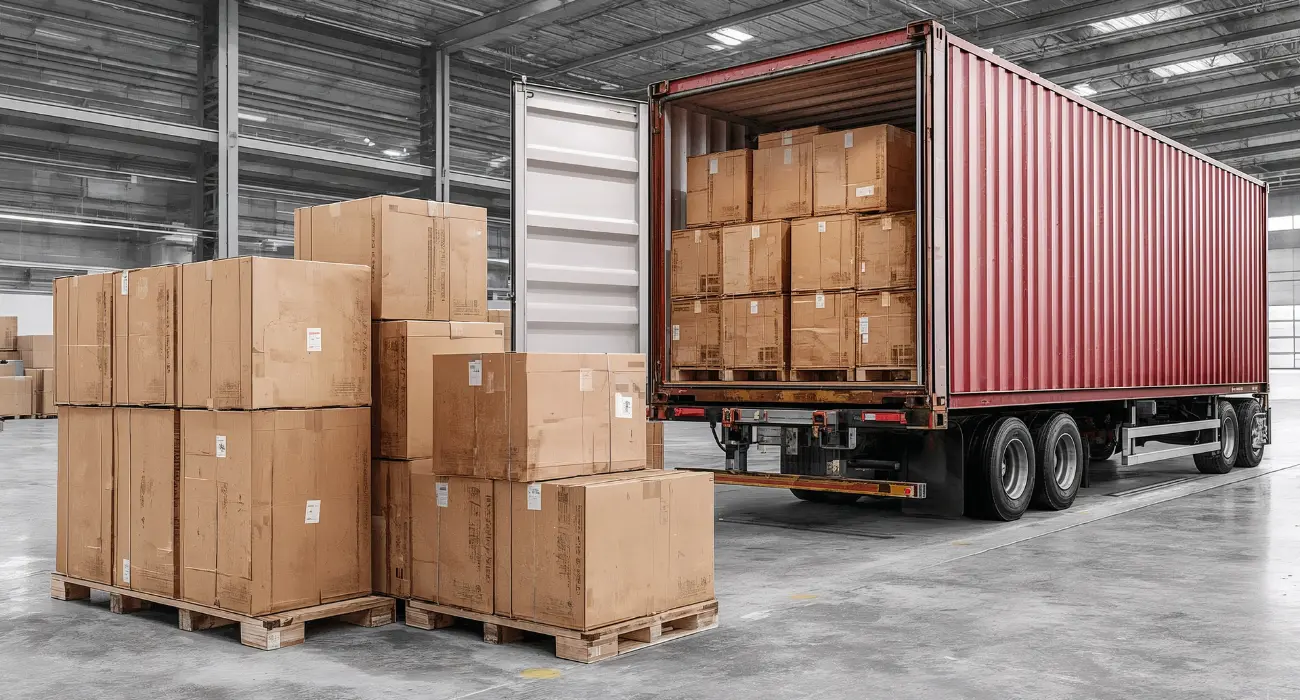
To start an import and export business, choose one product and one trade route, find a buyer before you commit to stock, register with the agencies that control your route, and price every deal from its full landed cost. The traders who last are rarely the ones with the most products. They’re the ones who know their numbers on a single route better than anyone else.
This guide covers each step, with registration basics for Nigeria, the US and the UK, a startup-cost table and a landed-cost worked example.
Key takeaways
- Start with one product and one route. Complexity multiplies with every new country and product code.
- Find buyers first. Stock without a buyer is the classic import-export cash trap.
- Every Nigerian exporter must register with NEPC. In the UK you need an EORI number for customs. US importers don't need a CBP license, but other agencies may regulate the product.
- Landed cost includes duty, freight, insurance, clearing, and the exchange rate on the day you pay.
What an import and export business does
An importer buys goods abroad and sells them at home. An exporter sells home-produced goods to buyers abroad. Many small traders do both on one route, for example exporting shea butter or sesame from Nigeria and importing packaging or machinery parts back.
There are three common models:
- Trader: you buy, take ownership, and resell. Highest margin, highest risk.
- Agent or broker: you connect buyers and sellers for a commission. Low capital, but you must protect your contacts.
- Sourcing service: you source and inspect for a buyer who pays a fee. Good way to learn a route with little stock risk.
If you’re new, start as an agent or sourcing service on one route. You’ll learn documents, timelines and pitfalls with someone else’s stock.
Registration rules by country
- Required NEPC exporter registration for any business exporting from Nigeria Nigerian Export Promotion Council, 2026
- No CBP license needed to import into the US, though other agencies may require permits for some goods US Customs and Border Protection, 2026
- Over $2,500 value per Schedule B number that triggers a US export filing (EEI), or any value if a license is needed International Trade Administration, 2026
Nigeria. Register the business with CAC, then register as an exporter with the Nigerian Export Promotion Council through its e-registration portal. Food, cosmetics and chemicals usually also need NAFDAC clearance, and some agricultural exports need phytosanitary certification. Importers deal with the Nigeria Customs Service and must follow foreign-exchange documentation rules through their bank.
United States. CBP says it does not require an importer to have a license, but agencies such as the FDA, USDA or Fish and Wildlife Service may regulate your product (CBP). You can use a licensed customs broker, but you remain responsible for the entry. Exporters file Electronic Export Information when a Schedule B line exceeds $2,500 or needs a license (ITA).
United Kingdom. You need an EORI number to use customs systems and make declarations when moving goods into or out of Great Britain. Check the commodity code and duty rate for each product before you price it. VAT registration applies once taxable turnover passes £90,000 (HMRC).
How to start an import and export business, step by step
-
Pick one product and one route
Choose a product you understand, sold between two countries where you have contacts or language.
-
Research demand and rules
Check who buys it, at what price, and what the destination country requires: permits, standards, labeling, duties.
-
Find buyers first
Get a written inquiry or purchase order before you buy stock. Trade fairs, embassies, chambers of commerce and B2B marketplaces help.
-
Find and verify suppliers
Visit or send an inspector. Ask for samples, references and export documents they've done before.
-
Register the business and your trade IDs
CAC and NEPC (Nigeria), EORI (UK), EIN and broker setup (US).
-
Agree Incoterms and payment
Decide who pays freight, insurance and duty. Use letters of credit or escrow on early deals.
-
Book logistics
Get quotes from freight forwarders. Ask about transit time, port charges and insurance.
-
Ship a small first order
Learn the paperwork on a low-risk shipment.
-
Review the real margin
Compare the actual landed cost against your estimate. Fix pricing before you scale.
Landed cost: the worked example
Most new traders price from the supplier’s invoice. That’s how they lose money. Here’s an example for an importer. Use your real quotes.
- Goods (supplier invoice): $8,000
- Sea freight and insurance: $1,400
- Import duty at an example 10% of goods plus freight and insurance: 10% × $9,400 = $940
- Clearing, port charges and local haulage: $900
- Landed cost: $8,000 + $1,400 + $940 + $900 = $11,240
- 1,000 units, so $11.24 per unit
Now add currency risk. If you pay in dollars but sell in naira, and the naira weakens 10% between order and sale, your local-currency cost rises by about 10% too. Build a buffer into the price, or agree your selling price only after you lock in the exchange rate.
Inflation at this level means quotes go stale fast. Ask suppliers and forwarders how long each quote is valid, and re-check before you sell.
How much does it cost to start an import and export business?
| Cost item | Estimate | Basis |
|---|---|---|
| Business registration | Under $300 (US); £100 Ltd (UK); CAC fee (Nigeria) | SBA, GOV.UK |
| Exporter or customs ID | NEPC registration (Nigeria); EORI (UK); EIN is free (US) | NEPC, GOV.UK, IRS |
| Samples and lab tests | $100–$1,000 | Planning estimate |
| First small shipment (goods) | $1,000–$10,000 | Planning estimate; depends on product |
| Freight, clearing and insurance | Get forwarder quotes | Varies by route and volume |
| Website and B2B listings | $20–$100 per month | Planning estimate |
How to find buyers abroad
- Be findable by product and origin. Buyers search phrases such as “dried hibiscus exporter Nigeria” or “UK supplier of industrial gloves.” A site with one clear page per product, specs and certifications helps you show up. See how we approach SEO.
- Use trade bodies. NEPC, chambers of commerce and embassy trade desks run buyer meetings and fairs.
- Build a short B2B outreach list. Twenty well-researched buyers beat 500 cold emails. Our lead generation team covers how to build one.
- Show proof. Lab results, certifications, photos of your packing and references from past shipments reduce buyer risk.
Common mistakes to avoid
- Paying 100% up front to an unverified supplier. Use staged payments, escrow or a letter of credit until trust is earned.
- Guessing the commodity code. The wrong code can mean the wrong duty rate, delays or penalties. Confirm it with your broker or customs authority.
- Ignoring destination standards. Goods that fail a destination’s labeling or testing rules can be held or destroyed at the port.
- No buffer for delays. Port congestion and document errors happen. Keep cash for storage and demurrage charges.
Exporters often build a website that reads like a company profile: history, mission, a gallery. Buyers want something else: specs, certifications, minimum order quantities, lead times and payment terms. I'd write one page per product with those answers, then link it in every outreach email. It saves the buyer a round of questions and helps a small supplier look dependable.
Myth vs fact
- MythYou need a special license to import anything into the US.
- FactCBP doesn't require an importer license, but some products are regulated by other agencies such as the FDA or USDA. Check your product before you ship.
- MythThe supplier's price is your cost.
- FactFreight, insurance, duty, clearing and currency moves can add a large share on top of the invoice. Price from landed cost.
- MythMore products means more income.
- FactEach product adds new codes, rules and suppliers. One route done well is easier to scale than five done badly.
Before you pay a supplier
- Buyer inquiry or order in writing
- Supplier verified with samples and references
- Commodity code, duty and permits checked for the destination
- Incoterms agreed in writing
- Forwarder quote with validity date
- Landed cost per unit calculated with a currency buffer
- Payment method that protects you (letter of credit or escrow on early deals)
Frequently asked questions
How much capital do I need to start an import and export business?
As an agent or sourcing service, very little: registration, a website and travel. As a trader buying stock, you need enough for goods, freight, duty and clearing on a first small shipment, plus a buffer for currency changes and delays.
Do I need to register with NEPC to export from Nigeria?
Yes. NEPC says every business that wants to export must register as an exporter. You do it online through NEPC's e-registration platform and receive your exporter certification there.
What is an EORI number and do I need one?
An EORI number identifies your business on UK customs systems. You need one to make customs declarations or move goods between Great Britain and other countries. Apply through GOV.UK before your first shipment.
Is import and export profitable for small businesses?
It can be, on the right route with the right product. Profit depends on landed cost, reliable buyers and controlling currency risk. Many small traders make money as agents first, then trade on their own account once they know the route.
What products are best to export from Nigeria?
Products with steady foreign demand and that you can source consistently, often agricultural and processed goods. Check destination rules first, because food and cosmetic exports face strict standards, testing and labeling.
Next step
Choose your route and product, then call three potential buyers before you speak to a supplier. A clear B2B website helps buyers trust you quickly. See website design at TechDella Studios, or read our glossary entries on B2B and market analysis.